

Clutches in Lyme Regis
Central Motors completes professional clutch repair and clutch replacement services for drivers experiencing slipping, poor acceleration, or difficulty changing gears. As an established garage mechanic serving Bridport and Lyme Regis, we diagnose faults affecting clutches and related drivetrain components, restoring smooth performance, safe handling, and dependable power delivery.
How Brakes & Clutches Impact Overall Vehicle Performance
When it comes to vehicle performance, most drivers in and around Lyme Regis think of the engine, suspension, or even the fuel type. However, the brakes and clutches are two of the most critical yet overlooked components. These systems are pivotal in ensuring safety, efficiency, and smooth driving. Whether booking routine car servicing, preparing for MOT testing, or visiting your trusted garage mechanics at Central Motors for DPF cleaning, keeping your brakes and clutch in top condition is vital.
The Role of Brakes in Vehicle Performance
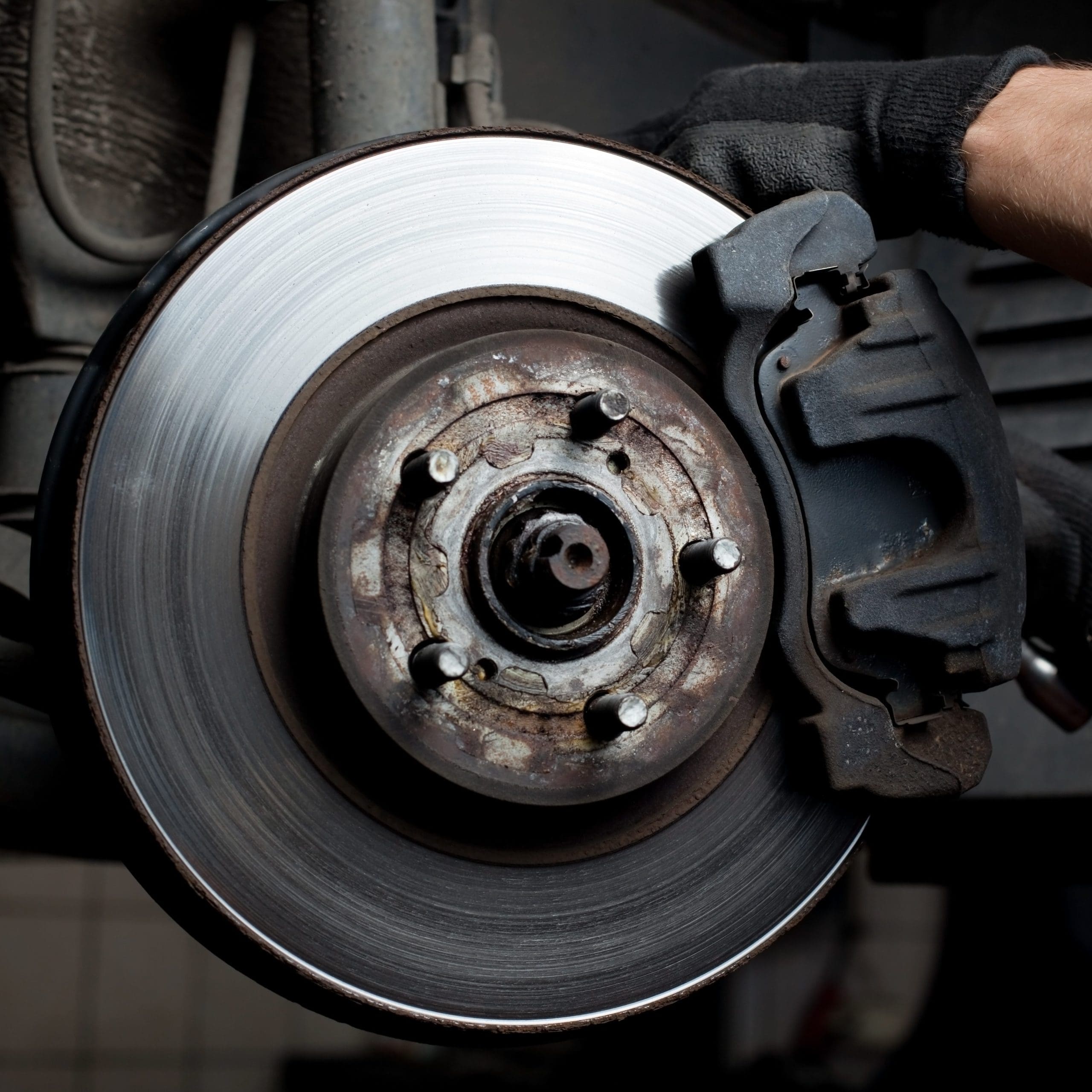
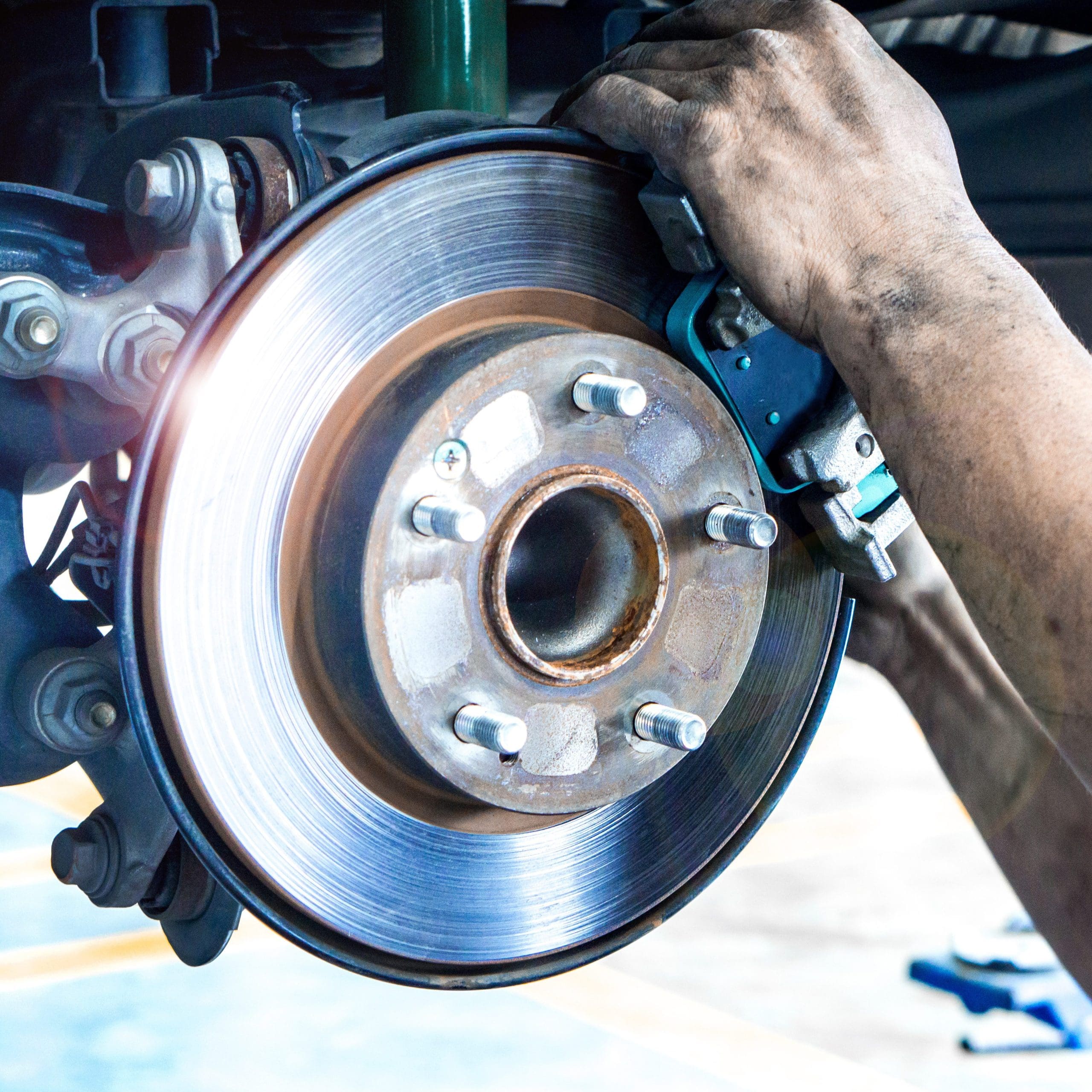
The braking system isn’t just about stopping the car—it also enhances control and stability, which are crucial for performance. A healthy brake system ensures your vehicle responds quickly and predictably, whether slowing down on a motorway or navigating busy streets.
Key ways brakes influence performance include:
- Stopping Power: Faulty brakes can increase stopping distances, compromising safety. Well-maintained brakes provide quick and effective stopping power when needed.
- Efficiency: Worn brake pads and warped rotors force the braking system to work harder, leading to inefficiencies and higher fuel consumption.
- Driving Comfort: Noisy or uneven brakes can make your driving experience unpleasant. Regular maintenance ensures smoother, quieter braking.
Signs Your Brakes Need Attention
- Spongy or Unresponsive Brake Pedals
- Squeaking or Grinding Noises
- Vibrations When Braking
- Warning Lights on the Dashboard
Sound familiar? If so, it’s time to visit a garage mechanic for a brake inspection and possible replacement.
How Clutches Affect Performance
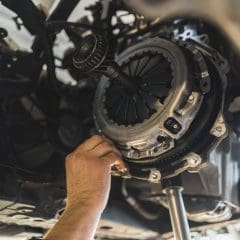
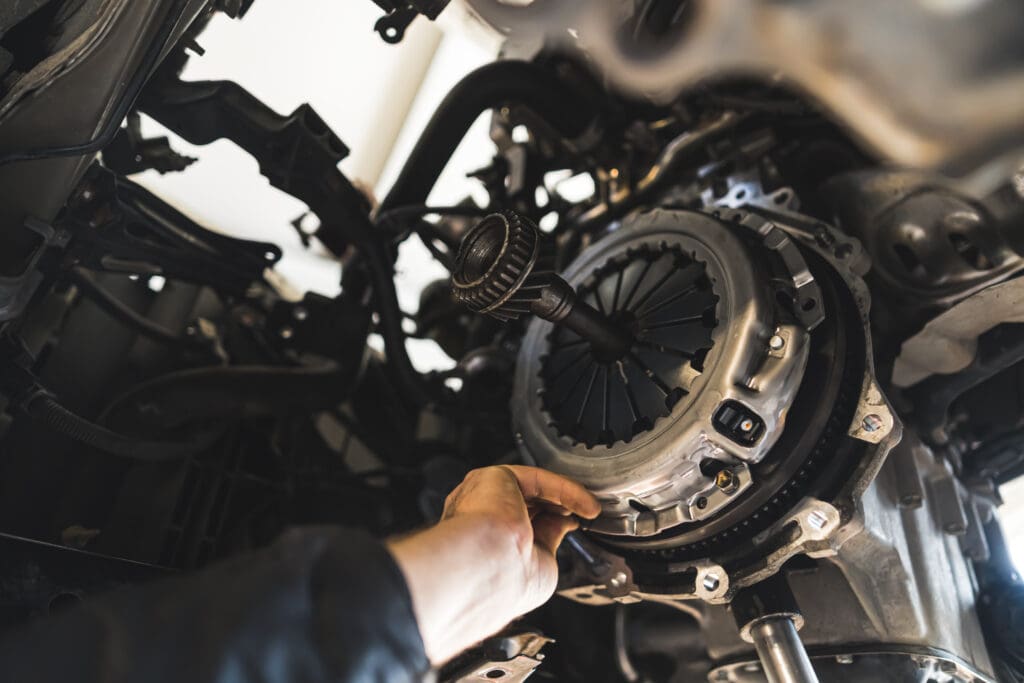
The clutch is equally critical. It connects the engine to the transmission and facilitates smooth gear changes. A faulty clutch frustrates driving, can damage your vehicle, and reduces efficiency.
Here’s how the clutch impacts vehicle performance:
- Gear Transitions: A well-functioning clutch ensures effortless gear changes, improving acceleration and overall driving dynamics.
- Fuel Efficiency: Slipping clutches waste energy, increasing fuel consumption.
- Longevity of Other Components: A faulty clutch strains the transmission system, potentially leading to costly repairs.
Signs of Clutch Problems
- Reduced Power During Acceleration (Slipping Clutch)
- Difficulty Changing Gears
- A Burning Smell When Driving
- The Clutch Appears Sticky or Loose
Ignoring these issues can lead to clutch failure, leaving you stranded or requiring an expensive replacement.
Why Regular Car Servicing Matters
Routine car servicing by Central Motors is the key to maintaining optimal brake and clutch performance. During a service, our garage mechanics check these components for signs of wear and tear, ensuring they’re in good condition. This proactive approach extends the lifespan of your brakes and clutch and prevents minor issues from escalating into major repairs.
Our servicing and DPF cleaning also ensure your vehicle is roadworthy and ready for MOT testing. If you’re in Lyme Regis or the surrounding areas, why not call us today on 01308 423994 or 07966 243669 and get booked in?
When to Replace Your Brakes & Clutch
Both components are subject to wear and tear, but how quickly they wear out depends on how you drive and the prevailing driving conditions.
- Brake Replacement: Depending on usage, most brake pads need replacing between 20,000–50,000 miles.
- Clutch Replacement: Clutches generally last 60,000–100,000 miles, but frequent stop-start driving can reduce their lifespan.
Your garage mechanic can provide a more accurate timeline based on your vehicle and driving habits.
Tips to Extend Brake & Clutch Life
- Avoid Hard Braking: Practice gradual braking to reduce wear on the brake pads and rotors.
- Don’t Ride the Clutch: Avoid keeping your foot on the clutch pedal when not shifting gears.
- Drive Smoothly: Sudden acceleration and deceleration strain brakes and clutches.
- Schedule Regular Servicing: Include brake and clutch checks in car servicing appointments.
Whether it’s routine maintenance, DPF cleaning, MOT testing, or a critical repair, entrust your vehicle to our professional garage mechanics at Central Motors to keep your brakes and clutch in peak condition. Call 01308 423994 or 07966 243669 today if you’re based in Lyme Regis or any surrounding areas.